
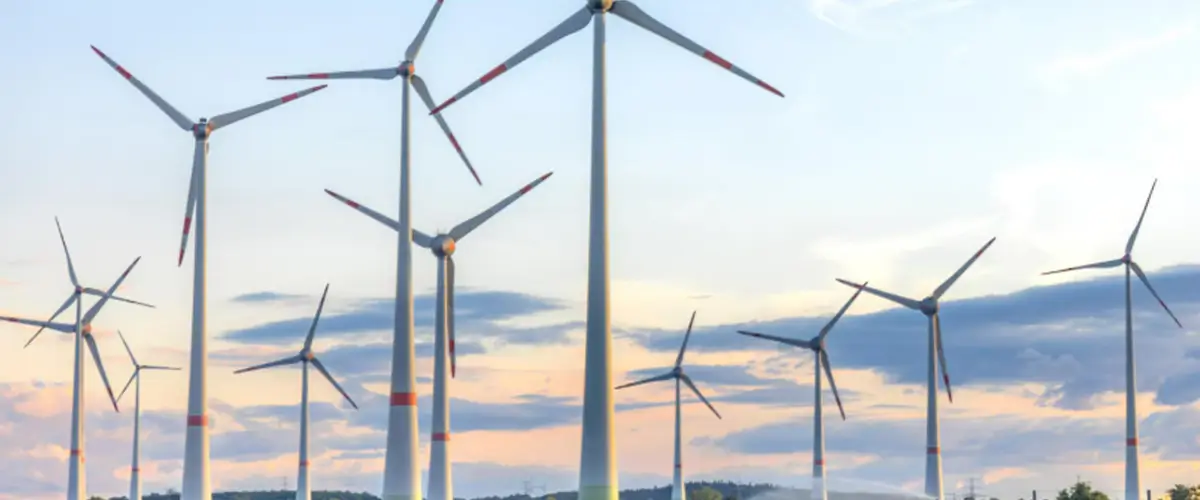
Wind energy is increasingly emerging as a strategic anchor for industrial decarbonization and long-term energy price hedging. Beyond its role in electricity generation, wind is being integrated into broader energy systems that supply power, hydrogen, and low-carbon molecules to energy-intensive industries. This shift reflects both improving cost economics and the growing need for industrial consumers to secure long-term, low-volatility energy inputs.
Quantitatively, global wind capacity additions continue at scale, with annual installations in the range of 90–110 gigawatts. Onshore wind remains the dominant contributor, accounting for the majority of new capacity, while offshore wind represents a growing share of incremental additions. Capacity factors for high-quality onshore sites commonly exceed 35–45%, while offshore wind projects increasingly achieve 45–55%, materially improving energy yield per unit of installed capacity.
These performance improvements translate directly into industrial economics. Long-term wind offtake agreements increasingly deliver levelized energy costs that are structurally below volatile fossil-based marginal energy costs in many regions. For industrial users, this provides a hedge against energy price volatility while supporting emissions reduction targets. Quantitatively, large industrial offtakers are contracting multi-hundred-megawatt portfolios, locking in significant portions of their long-term energy demand through wind-backed agreements.
Wind is also becoming a critical input to low-carbon molecule production. Wind-powered electrolyzers convert variable electricity into hydrogen, enabling large-scale decarbonization pathways for chemicals, refining, and fuels. In regions with high wind resource quality, hydrogen production economics are highly sensitive to wind capacity factors and contract pricing. Even small improvements in wind availability can materially reduce hydrogen levelized costs, reinforcing the strategic importance of wind site selection and contract structure.
From a system perspective, wind variability introduces operational complexity. Hourly and seasonal wind patterns create mismatches between generation and industrial load. This drives demand for storage, demand response, and hybrid systems combining wind with other renewable sources. Industrial clusters increasingly design integrated energy systems that optimize wind utilization while minimizing curtailment and balancing costs.
Offtake structures are evolving accordingly. Contracts increasingly incorporate shaping provisions, volume flexibility, and integration with conversion assets. This allows industrial buyers to better align wind output with operational requirements, improving overall system efficiency and economics.
Investment strategies reflect wind’s growing strategic value. Capital allocation increasingly favors wind projects with strong industrial offtake, long-term contracted revenues, and integration potential with hydrogen and other low-carbon value chains. Financial models emphasize not only energy output but also system value, including avoided fuel costs, emissions compliance benefits, and volatility reduction.
Over time, wind energy’s role as a foundational energy input for industrial systems is expected to deepen. As industrial decarbonization accelerates, wind’s combination of scale, cost competitiveness, and integration potential positions it as a structural pillar of the evolving energy economy.