
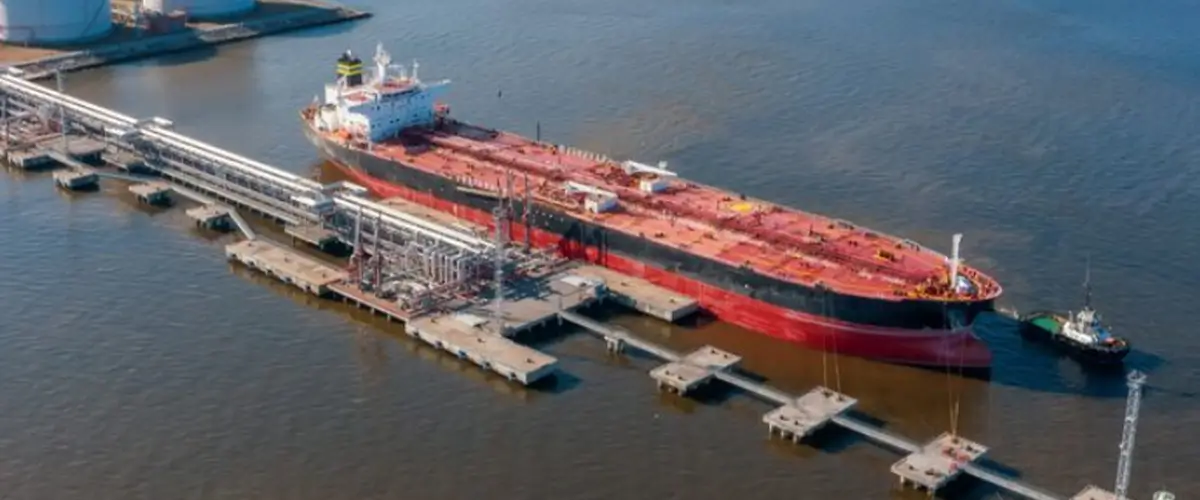
LNG shipping and logistics are increasingly emerging as binding constraints on global LNG market flexibility. While liquefaction and regasification capacity receive the majority of market attention, vessel availability, shipping rates, port congestion, and voyage distances are now materially influencing delivered LNG economics and regional price formation.
The global LNG carrier fleet exceeds 650 vessels, with average vessel sizes in the range of 160,000-180,000 cubic meters. Despite steady fleet growth, vessel availability remains tight during periods of high utilization, seasonal demand peaks, and long-haul trade flows. Effective fleet utilization frequently exceeds 85-90%, leaving limited slack to absorb sudden increases in shipping demand.
Quantitatively, LNG shipping rates have exhibited extreme volatility. Spot charter rates can swing from below USD 30,000 per day in oversupplied conditions to above USD 150,000-200,000 per day during tight markets. At elevated rates, shipping costs can add USD 1.00-3.00 per MMBtu to delivered LNG prices on long-haul routes, materially impacting arbitrage economics.
Voyage distances play a critical role in shaping effective supply availability. Atlantic-to-Asia voyages can take 35-50 days round-trip, tying up vessels for extended periods and reducing effective fleet capacity. When Asian demand spikes, vessels are drawn into long-haul trades, tightening shipping availability in the Atlantic Basin and increasing freight costs globally.
Port and terminal congestion further constrain effective capacity. Limited berth availability, draft restrictions, and weather-related disruptions can delay cargo loadings and unloadings, increasing vessel turnaround times. Even small increases in average turnaround time can materially reduce effective fleet capacity, amplifying freight tightness.
Shipping constraints directly influence regional price spreads. When freight rates rise sharply, delivered price differentials between basins must widen to sustain arbitrage flows. For example, Atlantic-to-Asia arbitrage may require USD 2-4 per MMBtu price spreads to justify incremental cargo movements during high freight environments. This reinforces regional segmentation and increases local price volatility.
From a portfolio optimization standpoint, shipping flexibility is now a key competitive advantage. Players with access to owned or long-term chartered vessels are better positioned to capture arbitrage opportunities and mitigate freight cost exposure. Portfolio players with scale can also optimize fleet deployment across basins, improving utilization and reducing average shipping costs.
Fleet growth is underway, but delivery schedules and shipyard capacity constraints limit the speed at which new vessels can enter the market. LNG carrier construction times typically exceed 24-36 months, and shipyard slots are increasingly constrained by competing orders for other vessel types. This creates a structural lag between demand growth and shipping capacity expansion.
Decarbonization regulations and fuel standards are also influencing fleet economics. New LNG carriers increasingly incorporate dual-fuel propulsion systems and efficiency upgrades, increasing capital costs but reducing fuel consumption and emissions. These features improve long-term economics but raise upfront investment thresholds.
Strategically, LNG shipping is becoming a core component of LNG portfolio strategy rather than a commoditized logistics function. Control over vessels, chartering flexibility, and route optimization increasingly determine realized portfolio margins. As LNG trade volumes continue to grow and routes lengthen, shipping constraints will remain a critical driver of price formation and market volatility.