
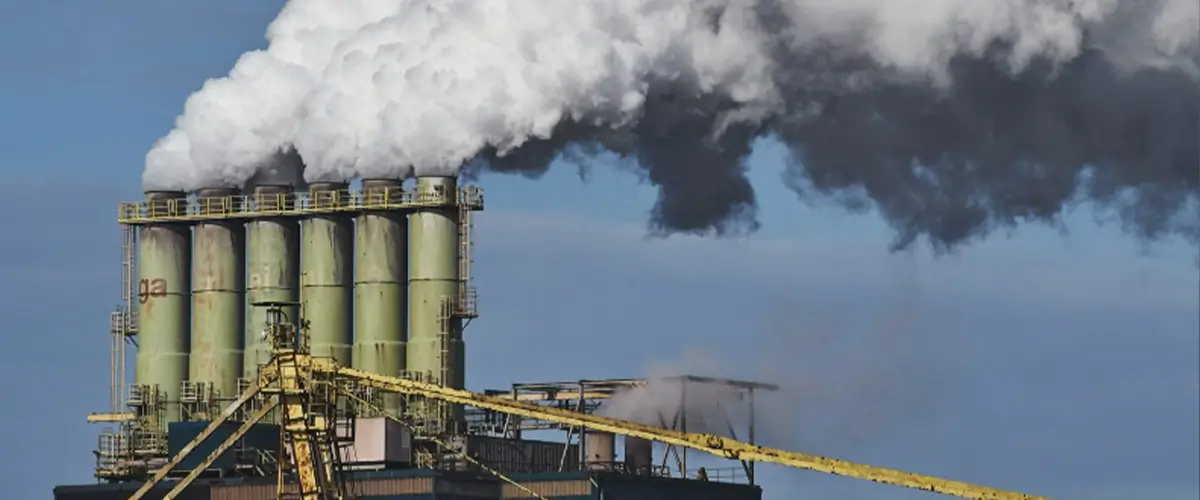
Natural gas markets are increasingly characterized by structural volatility as traditional seasonal balancing mechanisms are strained by tighter storage margins, growing LNG integration, and more extreme weather variability. What was historically a regionally balanced commodity market is evolving into a globally connected system in which LNG exports, storage levels, and weather-driven demand swings interact to amplify price movements.
Gas storage has historically served as the primary shock absorber for seasonal demand and supply variability. In major consuming regions, working gas storage typically covers 20-30% of annual consumption, providing buffer capacity to manage winter heating demand and summer cooling-driven power generation. However, storage utilization rates and refill economics have become more sensitive to price spreads, financing costs, and LNG export dynamics.
Quantitatively, periods of storage inventories falling below 10-15% of nameplate working capacity have become more frequent in tight markets. When inventories enter winter at 10-20% below five-year averages, forward curves tend to steepen, with winter-summer spreads widening by 30-70% relative to historical norms. This increases price volatility and raises risk premiums embedded in gas pricing.
The integration of LNG into regional gas systems has fundamentally changed balancing dynamics. LNG exports now represent a material share of total gas demand in key producing regions, often exceeding 10-15% of marketed production. This introduces a relatively price-inelastic demand component tied to long-term offtake contracts and global arbitrage economics. When LNG facilities operate near capacity, they effectively remove flexibility from the domestic gas system, tightening local balances.
Weather variability further compounds this effect. Extreme cold events and heatwaves can increase daily gas demand by 10-25% over baseline levels, rapidly drawing down storage and driving sharp spot price spikes. At the same time, renewable intermittency increases gas-fired generation volatility, as gas increasingly serves as the marginal balancing fuel for power systems.
From a pricing perspective, these structural factors have increased both intraday and seasonal volatility. Spot gas prices have experienced multiple episodes of 2-4x price moves over short periods during tight conditions, reflecting limited short-term supply responsiveness and constrained storage withdrawal capacity. This volatility has increased hedging costs and raised the value of flexible supply and storage assets.
For gas producers, this environment creates both risk and opportunity. Producers with access to storage, flexible gathering systems, and LNG-linked pricing can capture optionality value during volatility spikes. However, producers without downstream flexibility face greater exposure to basis risk and localized pricing dislocations.
For utilities and large industrial consumers, gas procurement strategies are becoming more sophisticated. Portfolio approaches combining fixed-price contracts, indexed exposure, storage capacity, and LNG-linked supply are increasingly used to manage volatility and security-of-supply risks. This adds complexity to procurement but improves resilience.
Strategically, natural gas is becoming less of a purely domestic balancing fuel and more of a globally integrated commodity with infrastructure-driven constraints. Storage economics, LNG export capacity, and power sector flexibility will increasingly determine volatility regimes. For market participants, advanced forecasting, scenario analysis, and storage optimization are becoming critical capabilities rather than optional enhancements.