
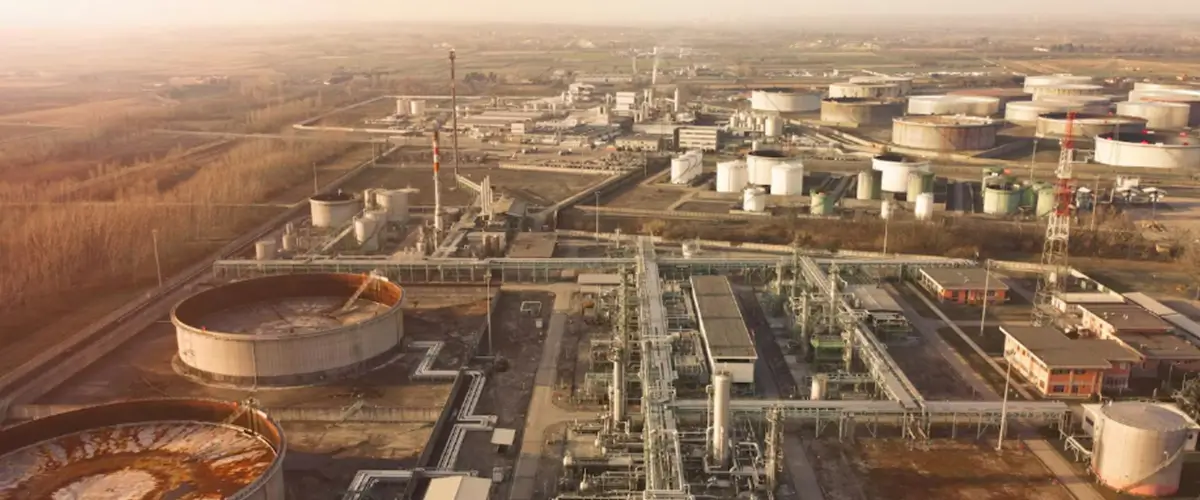
Midstream infrastructure has emerged as one of the most critical and underappreciated constraints on global oil and gas growth. While upstream resource availability remains abundant in many basins, the ability to move hydrocarbons efficiently to end markets increasingly determines realized production growth, regional pricing dynamics, and capital efficiency.
In multiple producing regions, pipeline capacity, export terminal availability, and storage infrastructure are binding constraints. When midstream bottlenecks emerge, local prices can decouple sharply from global benchmarks, compressing producer margins and distorting investment signals. These dislocations can persist for extended periods, influencing upstream capital allocation decisions and long-term basin competitiveness.
In North America, takeaway capacity from key producing regions has periodically lagged production growth, leading to localized price discounts and elevated basis volatility. Export terminal capacity for crude, LNG, and refined products is increasingly strategic, with port congestion, vessel availability, and draft limitations shaping effective market access.
Globally, the expansion of LNG liquefaction capacity has outpaced the buildout of regasification and downstream gas infrastructure in some markets, creating mismatches between supply potential and end-use demand realization. Similarly, refined product export capacity in certain regions has become a key determinant of refinery utilization rates and regional product balances.
Midstream economics are increasingly attractive due to fee-based revenue models, long-term contracts, and system-critical asset characteristics. Infrastructure assets often benefit from inflation-linked tariffs and regulated-style returns, making them appealing to infrastructure and long-duration capital pools. However, permitting risk, community opposition, and regulatory uncertainty are extending project timelines and increasing capital intensity.
From a system perspective, midstream constraints can amplify price volatility and regional dislocations. When infrastructure is tight, small demand or supply shocks can result in outsized price movements. This reinforces the strategic importance of storage, optionality, and network connectivity in stabilizing market outcomes.
For integrated energy companies and national oil companies, midstream investment is increasingly a strategic lever rather than a purely logistical consideration. Control over export routes, terminals, and storage provides pricing power, portfolio optimization capability, and resilience against market disruptions.
Looking forward, midstream capacity is likely to remain a binding constraint in multiple markets. The pace of upstream development is increasingly being matched against realistic infrastructure buildout timelines. This makes integrated planning across upstream, midstream, and downstream more critical than at any point in recent decades.