
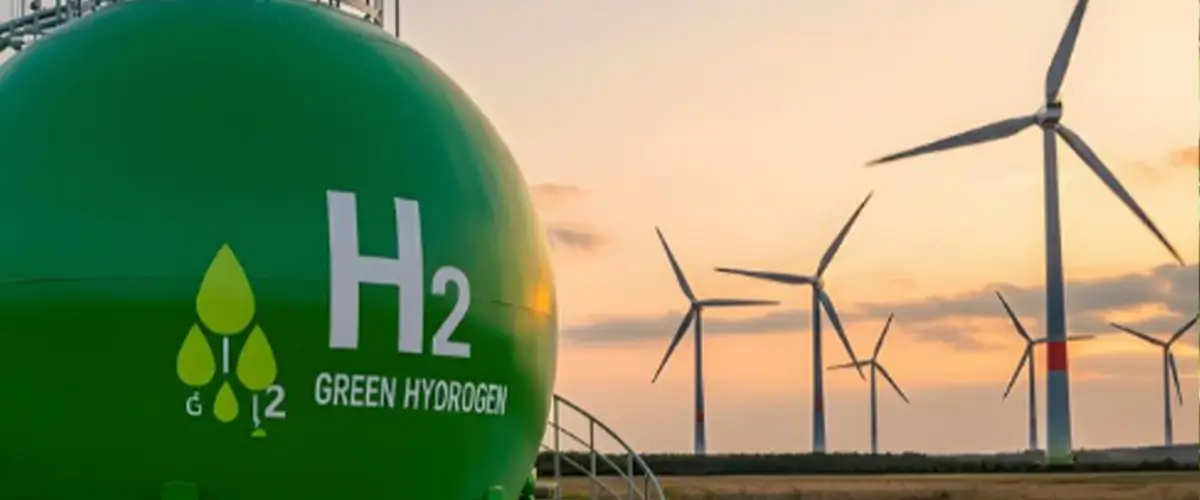
Green hydrogen is progressing from a technology demonstration phase into the early stages of portfolio-scale energy infrastructure development. While total green hydrogen production volumes remain small relative to global hydrogen demand, the pace of project announcements, government support mechanisms, and corporate offtake agreements indicates a structural shift toward commercialization. The market is increasingly defined not by technical feasibility but by project bankability, infrastructure readiness, and long-term demand anchoring.
Global hydrogen consumption exceeds 90 million tonnes per year, with the vast majority produced from fossil-based processes. Even modest penetration of green hydrogen into existing hydrogen markets represents a multi-million-tonne opportunity. Industrial sectors such as refining, ammonia, and methanol production are natural early adopters, as they already consume large volumes of hydrogen and face growing pressure to decarbonize.
The economics of green hydrogen are primarily driven by renewable electricity prices, electrolyzer capital costs, and utilization rates. In favorable locations with low-cost renewable resources, levelized green hydrogen costs are approaching thresholds that support early commercial deployment under supportive policy environments. However, cost parity with fossil-based hydrogen remains elusive in most markets, reinforcing the importance of incentives, carbon pricing, and long-term offtake contracts.
Electrolyzer technology is advancing rapidly, with alkaline and proton exchange membrane systems dominating early deployments. Solid oxide electrolyzers offer higher theoretical efficiencies but remain at earlier stages of commercialization. Manufacturing scale-up is expanding global electrolyzer capacity, contributing to gradual cost reductions. However, supply chain constraints for key components and balance-of-plant equipment continue to influence project timelines and capital costs.
Project development is increasingly anchored by long-term offtake agreements with industrial users, utilities, and mobility providers. These offtakes provide revenue visibility and are critical for securing project financing. In several regions, corporate buyers are willing to enter into long-term green hydrogen contracts to meet decarbonization commitments, even at premium pricing, supporting early project economics.
Infrastructure remains a key constraint. Hydrogen transport, storage, and distribution networks are underdeveloped relative to projected demand growth. Dedicated pipelines, hydrogen-ready infrastructure, and ammonia or liquid hydrogen export chains are being planned but require substantial capital investment and regulatory alignment. As a result, early projects often prioritize colocated production and consumption to minimize infrastructure complexity.
From a strategic perspective, green hydrogen is increasingly viewed as a platform technology that enables decarbonization across multiple sectors. Beyond direct hydrogen use, green hydrogen serves as a building block for green ammonia, e-methanol, and synthetic fuels. This expands the addressable market and strengthens the investment case for large-scale renewable-powered hydrogen hubs.
Over time, the green hydrogen market is expected to evolve from a collection of isolated projects into integrated regional and international supply chains. This transition will be shaped by policy durability, infrastructure development, and the ability to aggregate long-term demand. The pace of scale-up will determine whether green hydrogen becomes a core energy vector or remains a niche solution for specific applications.