
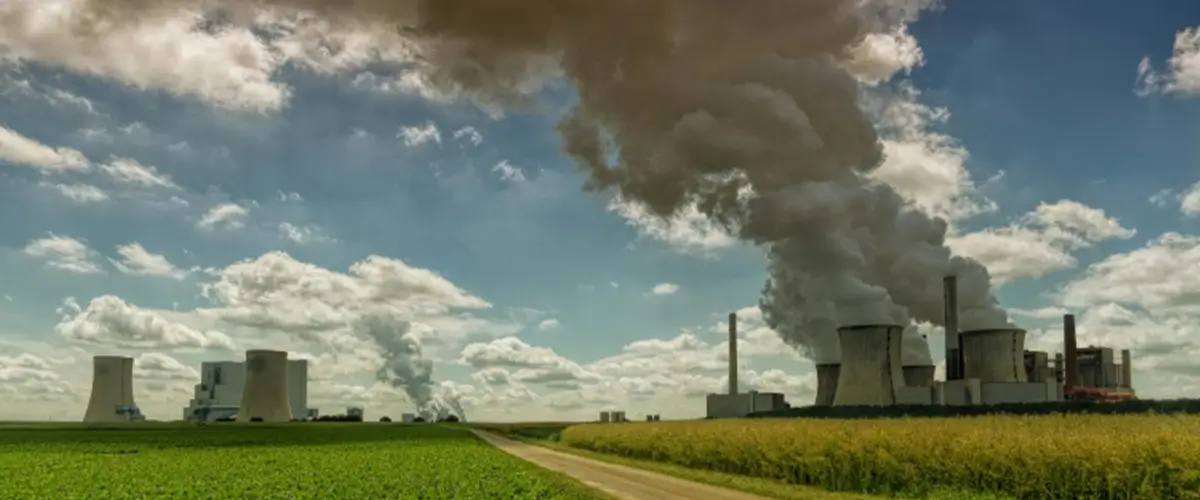
Firm low-carbon power is regaining strategic importance as energy systems recognize the limitations of variable renewables alone in delivering reliable, affordable, and deeply decarbonized electricity. Nuclear power, carbon capture on fossil and industrial assets, and other firm low-carbon technologies are increasingly being reassessed as critical components of balanced energy portfolios.
While wind and solar have delivered dramatic cost reductions, their variability introduces system-level challenges that become more pronounced as penetration increases. High-renewable systems require either massive overbuild, large-scale storage, or firm capacity to ensure reliability during periods of low renewable output. This is driving renewed interest in technologies that can provide dispatchable, low-carbon power.
Nuclear energy, in particular, is experiencing a strategic reassessment. Existing nuclear fleets provide large volumes of low-carbon baseload power and are increasingly valued for their system stability and fuel security. Life extensions of existing plants are often among the most cost-effective decarbonization options, as they avoid the capital costs of new build while preserving zero-carbon generation capacity.
New nuclear development remains capital-intensive and subject to long construction timelines. However, small modular reactors and advanced reactor designs are being positioned as potential solutions to traditional cost and schedule risks. While commercial deployment remains limited, these technologies are attracting interest as potential long-term firm power options, particularly for industrial clusters and remote regions.
Carbon capture and storage is also regaining prominence, particularly for hard-to-abate sectors and for enabling continued operation of existing thermal assets under tighter emissions constraints. CCS can significantly reduce emissions from power generation and industrial processes, but project economics depend heavily on carbon pricing, incentives, and access to suitable storage sites.
From a quantitative perspective, the cost of carbon capture varies widely by application, with capture costs generally lower for high-concentration industrial streams and higher for dilute flue gases. Transport and storage costs add additional layers of complexity. However, as carbon pricing and regulatory pressure increase, CCS can become economically viable for a broader set of applications.
Firm low-carbon power also plays a critical role in energy security. Diversifying the generation mix with nuclear, CCS-enabled plants, and other firm resources reduces exposure to fuel supply disruptions, weather variability, and commodity price volatility. This resilience value is increasingly being recognized alongside pure cost and emissions metrics.
For energy planners and investors, this creates a more balanced view of the transition. Rather than an exclusive focus on variable renewables, portfolios increasingly incorporate a mix of renewable, firm low-carbon, and flexibility resources. This integrated approach reduces total system costs and improves reliability while still delivering deep decarbonization.
Strategically, the re-emergence of nuclear and CCS reflects a maturation of the energy transition narrative. As systems move beyond early-stage renewable deployment, the focus shifts toward full-system optimization. Firm low-carbon technologies are not replacing renewables but complementing them, enabling a more robust, scalable, and resilient low-carbon energy system.